How to Choose Between Calgary Pest Control Companies: 10 Questions to Ask
Table of Contents
- Why the Company You Pick Matters
- Are You Registered and Is Your Technician Certified?
- Is Your Insurance Current?
- What Is Your Plan, and Does It Include Prevention?
- Which Products and Methods Will You Use?
- How Do You Treat Wildlife and Rodents?
- What Does Your Guarantee Really Cover?
- What Goes Into the Quote?
- What Happens After the Visit?
- How Quickly Can You Respond?
- Red Flags and Green Flags
- What to Do Next
- Key Takeaways
- FAQs
Executive Summary
The best pest control company for you is the one that can show it is registered in Alberta, inspects before it treats, explains exactly what it will use and why, treats animals responsibly, and stands behind its work with a follow-up visit. The ten questions below let you check each of those quickly, by phone or in writing, before you agree to anything.
Why the Company You Pick Matters
Search for pest control in Calgary and you will find a long list of options. Reading their pages side by side, the claims tend to sound alike: fast, affordable, professional, guaranteed. The differences show up in the details, and those details decide whether the problem is solved or simply comes back in a few weeks.
Pest control is also not like most trades. We deal with animals and insects that react to what we do, so no honest company can promise a perfect result on every job. That is why the questions below focus on how a company works, not on slogans.
Question 1: Are You Registered and Is Your Technician Certified?
In Alberta, the rules are specific. The provincial government’s pesticide service registration page states that any business in Alberta advertising or providing a pesticide service must hold a pesticide service registration. The province also says a registration is cancelled when the business does not employ a certified applicator with the appropriate class of certificate.
So the first question is simple: “Are you registered as a pesticide service in Alberta, and is the person coming to my home a certified applicator?” A real business will answer directly.
Two practical notes:
- The province’s page says registrations are non-transferable, so if a business has changed owners, a new registration is required.
- The page does not describe a public lookup tool for customers. If you want to verify a registration yourself, the page points you to Alberta Environment and Protected Areas.
At Grove, our technicians are licensed and only apply pesticides if required and in the safest ways possible. That is the kind of answer you are looking for from anyone you hire.
Question 2: Is Your Insurance Current?
The same provincial information says a registration is cancelled when the service’s insurance lapses. Insurance is part of what keeps a registered business legitimate, and it protects you if something goes wrong at your property.
Ask whether coverage is current and whether the company can confirm it in writing. Good companies do not mind the question.
Question 3: What Is Your Plan, and Does It Include Prevention?
Treating the pests you can see is only half of the job. The other half is the conditions that brought them in.
Health Canada describes Integrated Pest Management (IPM) as a way of dealing with pest problems in the most effective, environmentally friendly and cost-effective way, and notes that it can include pest prevention and options that are least hazardous to human health and least toxic to non-target organisms. That page is about lawns, but the idea applies to a home: prevent first, treat when needed, and use the least hazardous option that works.
In practice, ask whether the plan covers:
- Sealing or screening entry points
- Removing what attracts pests, such as food, water and shelter
- Monitoring so you know whether the problem is really gone
- What you are expected to do, such as cleaning or storage changes
A company that only sprays and leaves is not giving you a plan.
Question 4: Which Products and Methods Will You Use?
You have every right to ask what is being used in your home and where. A good answer names the method and the reason for choosing it.
For example, for ants indoors we start by identifying the species, advising on cleaning, and using non-toxic diatomaceous earth. If that is not enough, gel baits are an option. Pesticides are used as a last resort. Outdoors, we find and treat the nests directly rather than spraying broadly.
Questions worth asking:
- What product are you planning to use, and why that one?
- Where will it be applied, and could my kids or pets reach it?
- How long should we stay out of the area afterward?
- Is there a lower-impact option for this pest?
If you have children or pets at home, our article on whether eco-friendly pest control is safe for kids and pets covers the precautions in more detail.
Question 5: How Do You Treat Wildlife and Rodents?
This is where companies differ the most, and it is a question many people forget to ask.
Our founder, Erik Johnson, started Grove after working for traditional pest control companies. He writes that he regularly found mice stuck to glue boards, still alive and struggling, and dead mice with stomachs full of rodenticide that could be eaten by an owl, a bobcat or someone’s pet. Grove was built to do it differently: we do not use harmful rodenticides in your home.
You may feel the same, or you may not. Either way, ask:
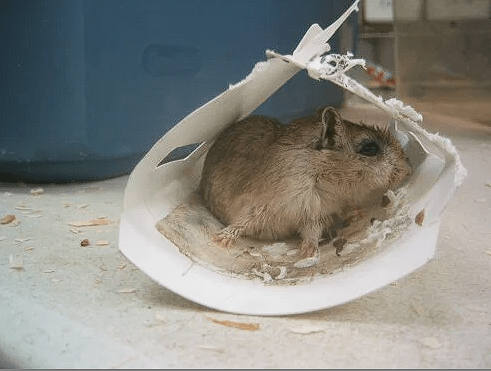
- Do you use glue boards or rodenticides, and for which pests?
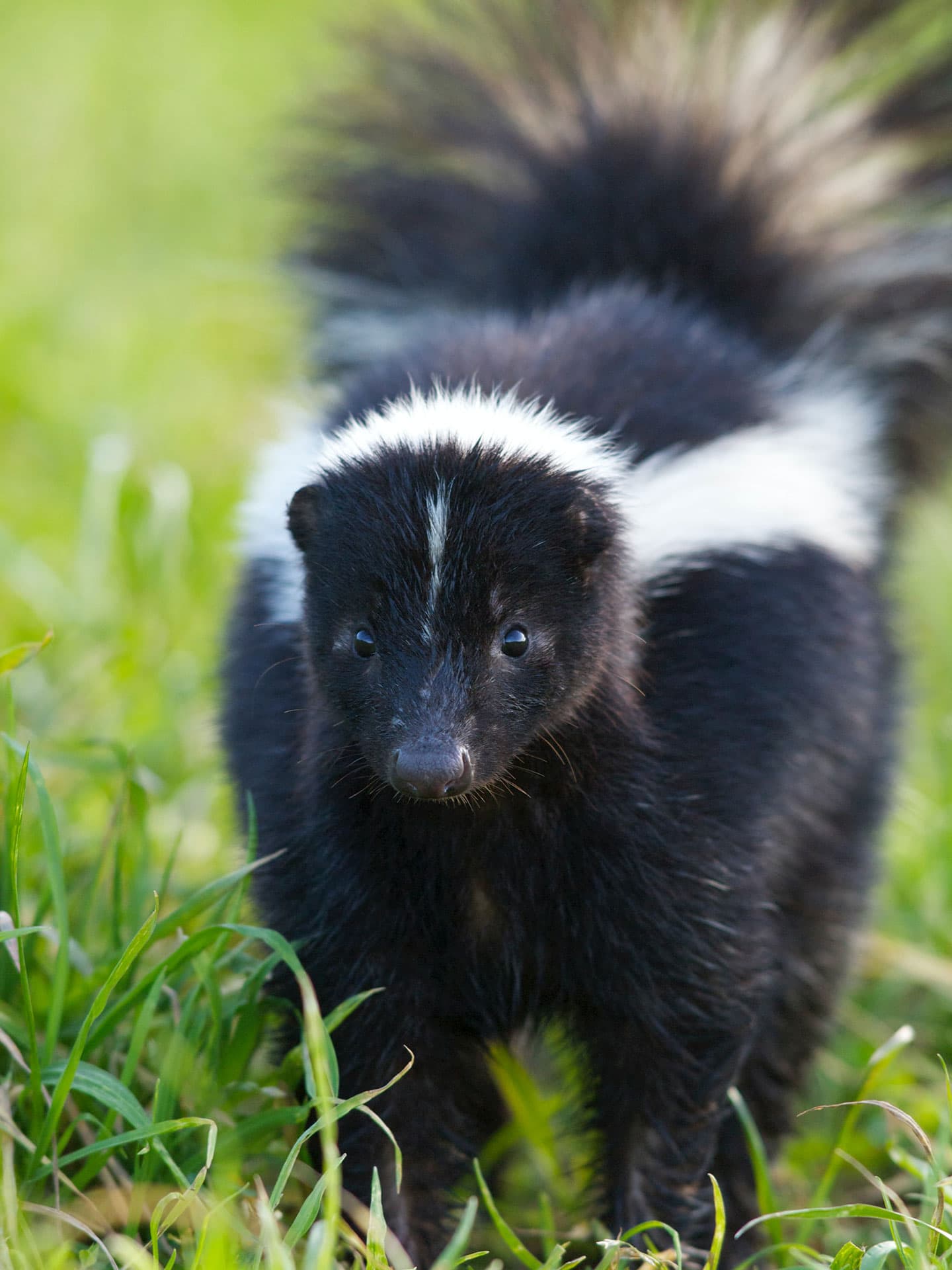
- What do you do with squirrels, skunks, or birds that have moved into a home? Is there a plan for babies?
- Do you trap and relocate, and if so, what happens to the animal?
For squirrels, for example, we prefer one-way doors over trap and relocate, and we pay attention to when young are present. Our guide to black squirrels in Calgary explains why timing matters.
Question 6: What Does Your Guarantee Really Cover?
Be a little wary of the word “guarantee.” Pest control deals with living animals that adapt, so no company can promise a result will last forever. A better question is: “If the problem comes back, what will you do and what will it cost me?”
We wrote about this in why a guarantee in pest control is never guaranteed. The honest version of a guarantee is a warranty: the company does all it can to solve the problem and prevent it, and if it happens again, you call and they come back to try again. If a company will not return when a problem recurs, that is a reason to look elsewhere.
Ask for the terms in writing: how long the warranty runs, what triggers a free return visit, and what is excluded.
Question 7: What Goes Into the Quote?
Prices vary widely because the work varies. On our own site we say that what pest control costs in Calgary depends on the pest that needs to be controlled. For ants, the cost depends on where the ants are, which type they are and how badly infested the area is.
Rather than comparing a single number, compare what each quote includes:
| Ask about | Why it matters |
|---|---|
| Inspection | Is it included or an extra fee? |
| Number of visits | Are follow-ups part of the price? |
| Entry-point sealing | Does the quote cover prevention or only treatment? |
| Warranty or follow-up | What happens if the problem returns? |
| Wildlife methods | One-way door, trapping or something else? |
Get the answer in writing, and compare two or three quotes on those lines. A much lower price may simply cover less.
Question 8: What Happens After the Visit?
Pests often need more than one visit. Traps have to be picked up, doors have to be removed and sealed, and bait stations have to be checked. Ask what the follow-up schedule looks like, who will be there and whether you will receive a report or notes.
For businesses, written records matter even more, and our guide to what a good commercial pest control program includes explains why.
Question 9: How Quickly Can You Respond?
Some pest problems can wait for a scheduled visit, and some cannot. Wasps near an entrance, rodents in a kitchen and an animal trapped in a wall are all examples of problems where response time counts. Ask how quickly the company can usually attend and how it decides what is urgent. Our article on what actually qualifies as emergency pest control can help you decide.
Red Flags and Green Flags
| Green flag | Red flag |
|---|---|
| Confirms registration and certified applicator without hesitation | Dodges or gets vague about licensing |
| Inspects and identifies the pest first | Quotes a fixed price over the phone for an unseen problem |
| Explains products, placement and wait times | “It’s all natural, don’t worry about it” with no specifics |
| Describes how animals are handled, including young | Cannot say what happens to the animal |
| Offers a clear follow-up policy | Promises a result “forever” |
| Writes everything down | Wants a deposit with no written scope |
What to Do Next
Choose two or three companies, send each the same list of questions, and compare their answers side by side. Take notes on how clear and direct they are, because that tells you a lot about how the work will go.
If you would like to put Grove on that list, you are welcome to ask us any of the ten questions above. You can contact us or call (403) 902-2263. Our About page explains how and why we work the way we do.
Key Takeaways
- Any business providing a pesticide service in Alberta must hold a pesticide service registration, and it must employ a certified applicator.
- Insurance lapses cancel a registration, so ask about current coverage.
- A good company inspects first, explains its products and methods, and plans for prevention.
- Ask directly about glue boards, rodenticides and how animals and their young are handled.
- Treat “guarantee” with care: a clear, written return-visit policy is more meaningful.
- Compare what quotes include, not only the price.
Frequently Asked Questions (FAQs)
How do I know a pest control company is legitimate in Alberta?
Ask for its pesticide service registration and confirm that the technician is a certified applicator. The provincial government says any business advertising or providing a pesticide service must be registered. If you want to verify, contact Alberta Environment and Protected Areas.
Should I always choose the cheapest quote?
Not automatically. Prices differ because the scope differs. Compare whether each quote includes an inspection, follow-up visits, entry-point sealing and a warranty before deciding.
What should a pest control company do on the first visit?
Identify the pest, find where it is getting in and what is attracting it, explain the plan and the products, and tell you what you need to do on your side, such as cleaning or storage changes.
Is eco-friendly pest control as effective as conventional treatment?
It depends on the pest and the plan. An approach built on inspection, prevention and targeted treatment aims to solve the cause of the problem rather than only the visible symptoms. Ask any provider to explain how its approach applies to your specific pest.
How many quotes should I get?
Two or three written quotes are usually enough to see what is normal for your situation and what a quote is missing.