Why Voles Become a Major Problem in Calgary After Winter
Most homeowners don’t think much about voles during winter. Everything is covered in snow, lawns are dormant, and pest activity feels like something that belongs to warmer months.
Then spring arrives.
As the snow melts, damage suddenly appears. The grass looks torn up. Garden beds are disturbed. Shrubs don’t bounce back the way they should. That’s usually when people start noticing voles in Calgary. But it’s too late, the damage has been done!
What Happens to Voles During Winter
Voles don’t hibernate.
Once snow settles, it actually gives them cover. Beneath that layer, the ground stays insulated enough for them to move, feed, and build tunnels without being exposed. Predators can’t reach them easily, and homeowners don’t see the damage forming.
Winter becomes a quiet season for vole activity, not a slow one.
Why Vole Damage Appears After Snow Melt
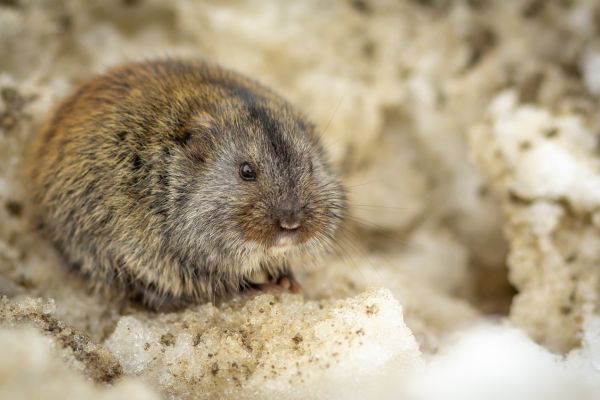
The problem shows up when the snow disappears.
Tunnels that were hidden collapse. Grass above those paths dies off. Roots that were chewed during winter stop supporting new growth. What looks like sudden damage is usually the result of steady feeding that went unnoticed.
This is why vole problems often feel like they “came out of nowhere” in early spring.
Common Signs of a Vole Problem
Most people don’t see the animals themselves. They see the results.
Thin pathways in the lawn are usually the first clue. Small openings near fence lines or garden edges follow. In some cases, bark damage shows up at the base of shrubs or young trees. Over time, sections of the lawn simply fail to recover.
These signs are easy to misdiagnose if you haven’t dealt with voles before.
Why Voles Are Hard to Control Without Experience
Voles reproduce quickly and stay close to cover.
Blocking one tunnel doesn’t solve the problem. Removing surface damage doesn’t stop activity underground. Many do-it-yourself attempts focus on visible damage rather than where voles are nesting and feeding.
That’s why vole control tends to be more complicated than it looks at first glance.
Professional Vole Control Approaches
Effective control starts with understanding where activity is happening and why. Placement matters. Timing matters. The goal isn’t just removal—it’s reducing the conditions that allow voles to return.
This often includes proper use of vole traps, habitat adjustment, and follow-up monitoring to make sure activity actually stops instead of shifting.
How Grove Eco-friendly Pest Control Helps
Grove Eco-friendly Pest Control approaches vole problems with a focus on long-term results. Each property is different, and treatment plans are based on observed activity rather than assumptions. We block off the areas where the voles are sheltering with a wire mesh barrier. This is a great permanent solution. For homeowners searching for reliable vole removal near me, professional assessment helps avoid repeated damage season after season and saves money on trying to poison them every year.
Final Thoughts
Voles don’t suddenly appear in spring. They’ve been there all winter.
The difference is visibility. Once damage becomes obvious, acting quickly helps prevent further loss to lawns and landscaping. Early intervention makes control simpler and more effective, especially before breeding cycles accelerate.
If signs are already present, it’s usually best to address the issue before it spreads further.
Frequently Asked Questions (FAQ’s)
Why do vole problems seem worse after winter?
Voles stay active under snow during winter. The damage only becomes visible once the snow melts, revealing tunnels, dead grass, and plant damage caused over several months.
How can I tell if lawn damage is caused by voles?
Vole damage usually appears as narrow runways in the grass, small openings near garden edges, and patchy areas that don’t recover in spring.
Are voles dangerous to homes or people?
Voles are not dangerous to people, but they can cause serious damage to lawns, gardens, shrubs, and young trees if left untreated.
Do DIY methods work for vole problems?
DIY methods often provide short-term results. Without addressing nesting areas and ongoing activity, vole problems tend to return.
When is the best time to address a vole issue?
Early spring is ideal, as activity becomes visible and intervention can prevent further damage before breeding increases.