Common Myths About Vole Control — What Calgary Homeowners Need to Stop Believing
People usually don’t think much about voles until their lawn looks wrong.
Grass doesn’t come back in the spring. Narrow lines appear where there shouldn’t be any. Shrubs struggle for no obvious reason. At that point, advice starts coming from everywhere — neighbours, online forums, quick searches late at night.
Most of that advice sounds confident. A lot of it is wrong.
Myth: If You Don’t See Them, They’re Not There
This is probably the biggest misunderstanding.
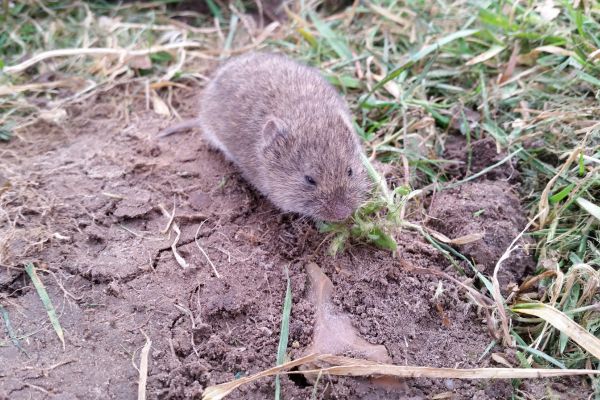
Voles spend most of their time out of sight. They move under grass cover, snow, and soil. By the time damage is visible, the activity didn’t just start — it’s been going on quietly.
That’s why people are often surprised when they learn how long voles in Calgary have already been active before spring damage shows up.
Myth: A Few Traps Will Take Care of It
Traps get talked about a lot, usually because they feel like a clear solution.
The problem is placement, timing, and follow-up. Catching one animal doesn’t stop the rest from using the same runways. Without addressing where activity is concentrated, trapping turns into a cycle that never really ends.
Effective vole control usually looks less dramatic, but it lasts longer.
Myth: Poison Is the Quick Fix
This is where things get risky.
Vole poison doesn’t just affect voles. It can affect pets, birds, and other animals that weren’t part of the problem to begin with. In many cases, poison creates more issues than it solves.
It’s also often applied incorrectly, which means the original activity continues anyway. Poison also needs to be refilled frequently, becoming a recurring expense that never goes away.
Myth: The Damage Means They’re Gone
Some homeowners assume that after the grass has been damaged, the voles have moved on.
In reality, visible damage often shows up after the most active period. Underground paths may still be in use. Nesting areas don’t disappear just because the surface looks bad.
And then in the summer you can’t see any trails and the grass grows back! But what actually happens is the voles spread their feeding out over the entire lawn instead of in thin trails under the snow, making it impossible to see the damage.
Ignoring the problem at this stage usually leads to repeated damage the following season.
Myth: Any Pest Control Approach Works the Same
Voles aren’t mice. They aren’t rats. Treating them the same way usually doesn’t work.
Their behaviour is tied closely to lawns, landscaping, and seasonal cover. Addressing that properly takes a different approach than general indoor pest work.
At Grove Pest Control, the focus is on understanding how the property itself is supporting activity, not just reacting to what’s already visible.
Why These Myths Keep Causing Problems
Most vole issues don’t get worse because people do nothing.
They get worse because people do the wrong thing first.
Acting on assumptions wastes time and often makes control harder later. Knowing what actually works helps homeowners avoid repeating the same damage year after year.
Final Thoughts
Voles are easy to underestimate and frustrating to deal with when misinformation gets in the way. The sooner myths are set aside, the easier it becomes to make decisions that actually protect lawns and landscaping.
If you’re unsure what’s happening on your property or want clarity before things spread, getting professional insight early usually saves more than it costs.
Frequently Asked Questions (FAQ’s)
Are voles active only in spring and summer?
No. Voles stay active throughout the year. Winter snow actually gives them cover, which is why damage often becomes noticeable only after the snow melts.
Can lawn damage fix itself once voles leave?
The grass will always grow back in the summer, but if the underlying activity hasn’t stopped, the damage will repeat in the winter. Even when voles move on, weakened grass and roots take time to recover.
Is trapping enough to stop vole problems?
Trapping can help reduce activity, but it rarely solves the issue on its own. Without addressing where voles are nesting and travelling, new activity usually follows. Voles are also notoriously trap-shy.
Why is poison not recommended for vole problems?
Poison can harm pets, birds, and other wildlife. It also doesn’t always stop the problem, especially if applied incorrectly or without addressing the source of activity.
How do I know if I should call a professional?
If lawn damage keeps returning or spreads quickly, a professional assessment helps identify what’s actually causing it and prevents repeated seasonal issues.