How Cockroaches Survive Calgary’s Cold Winters — And Why They Still Infest Homes
You might think, “How can cockroaches survive here? There’s no way they can survive a Calgary winter.” And… you’d be right! If they had to live outside.
Which Cockroaches Does Calgary Have?
There are many species of cockroaches in the world, hundreds even! But there are really only a few species in North America that become pest species. You know, the type that doesn’t just occasionally invade from the outside, but the type that multiplies in your house and seems impossible to get rid of. German cockroaches (Blatella germanica) and American cockroaches (Periplaneta americana) are the most common in that category.
If you’ve been in other countries and seen big cockroaches on the street, those are probably American cockroaches, or a similar species. They are big, creepy, fast, and extremely difficult to kill! Luckily, we don’t have those in Calgary!
German cockroaches are smaller (about one inch long) and also creepy and fast. They also multiply like crazy. These are the ones you need to worry about in your home and in restaurants. But how can they survive our Calgary winters?
Can Cockroaches Survive Outside in the Winter?
The short answer is no. Actually, they can’t even survive well in the summer in Calgary! It’s too dry here for them. Cockroaches desperately need moisture and humidity to survive. So how can we still see so many cockroaches in Calgary homes and restaurants?
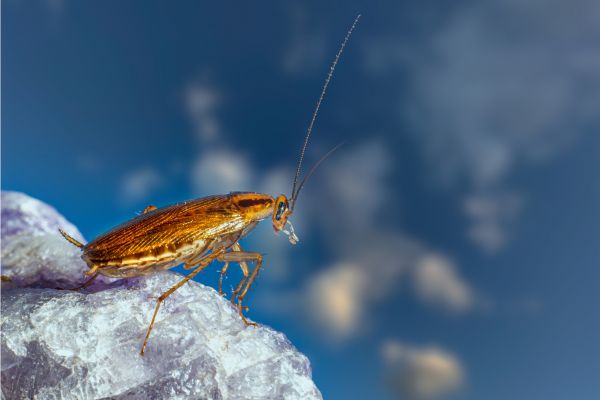
They are excellent hitchhikers! They are extremely sneaky and will climb into any box or package or food product and go wherever it’s going. They will lay their egg sacks in a box and let the egg sack hatch in a new place. Hello 40 new cockroaches!
How They Continue to Survive Indoors
They aren’t particularly strong, they are merely persistent. They congregate around heat sources such as dishwashers and the backs of refrigerators. They fit into cardboard boxes or that little area under the sink where warm water pipes run. If you’ve ever opened a cabinet and sensed a warm breeze, that’s just the type of location they favor.
They also don’t require much in the way of sustenance. A few crumbs or some grease hidden behind the stove can nourish an entire group for weeks.
Why Their Presence Is More Noticeable in Winter
An interesting phenomenon occurs during winter: families cook more often, spend more time indoors, and use heaters that dry the air. All this pushes the pests to venture out in search of moisture. Consequently, instead of hiding throughout the day, they come out to bathrooms and kitchen sinks in the evenings.
That’s typically when people finally spot them — not because they have just arrived, but because their hiding spots can no longer accommodate them.
What Effectively Keeps Them in Check
Over time, I’ve come to realize that small actions can make a big difference.
Here are a few examples:
- Cleaning the stove immediately after cooking instead of postponing it.
- Removing cardboard boxes from storage areas.
- Fixing minor leaks that may seem insignificant.
- Not leaving pet food out overnight.
However, the aspect most people overlook is that winter treatments tend to be more effective. When the insects cluster in warm corners, it simplifies the task for those trained in cockroach control. An experienced cockroach exterminator can quickly identify where they are nesting and understand the extent of the issue.
A Note About Local Assistance
At Grove Pest Control, winter service calls often reveal the same conclusion: the roaches didn’t just arrive during winter, they were already present. The cold merely drove them closer to areas of frequent use. If you want to eliminate cockroaches effectively, get a professional in ASAP. Cockroaches are extremely difficult to eradicate. They are NOT a DIY solution. By spraying pesticides in the home, you can actually spread them around more, making it more difficult when you do eventually call in a pro. So why not do that right now?
Final Thoughts
Cockroaches don’t suddenly appear in winter, and the cold doesn’t eradicate them. They settle indoors, stay warm, and persist unless someone disrupts the cycle. If you’ve spotted even one this season, it’s wise to investigate early to prevent it from escalating into a larger issue.